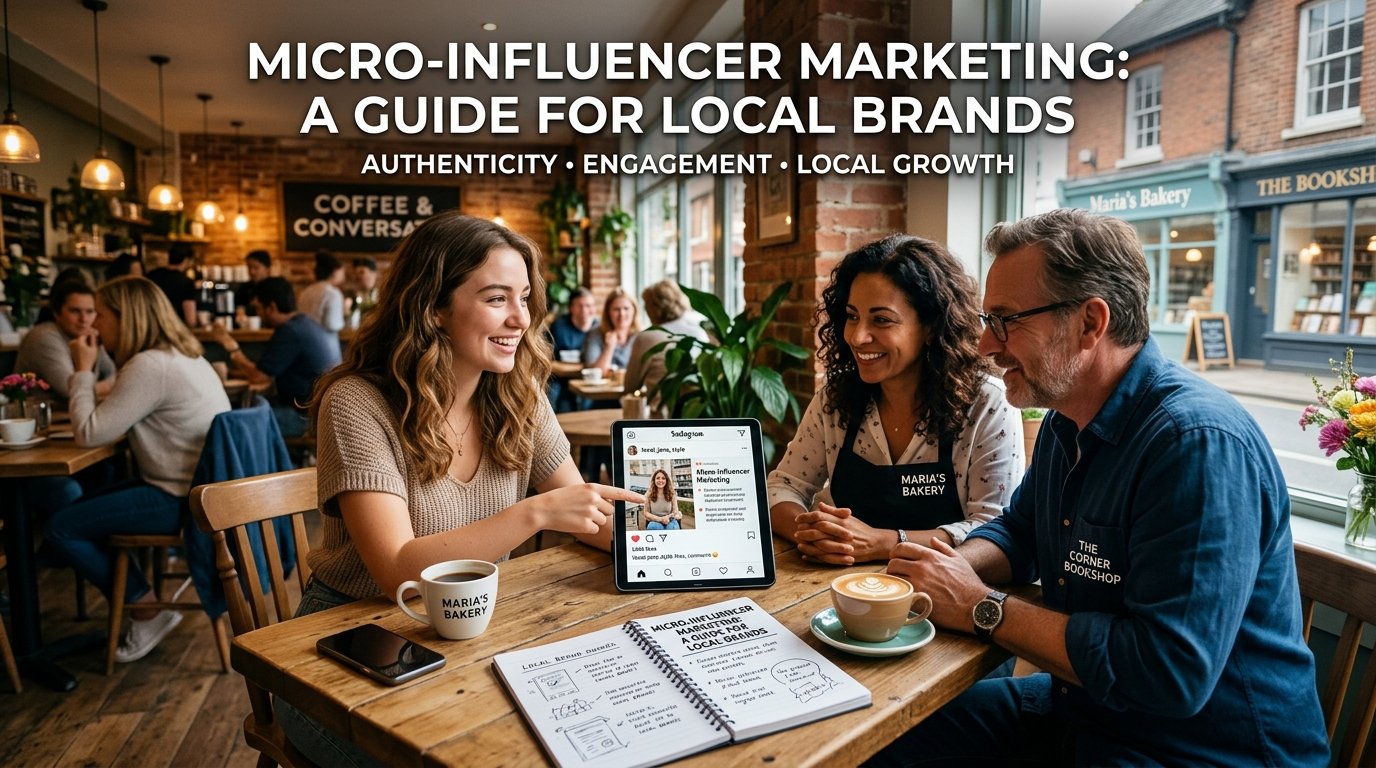
For local businesses, marketing success often comes down to one thing: trust. People are far more likely to try a neighborhood café, boutique, salon, or service provider when they hear about it from someone they already know and follow online.
That is why micro influencer marketing local strategies are becoming one of the most effective ways for small businesses to grow. Instead of spending large budgets on celebrity influencers with millions of followers, local brands are partnering with smaller creators who have highly engaged audiences in their communities.
These influencers may have anywhere from 1,000 to 50,000 followers, but their recommendations often feel more authentic and relatable. For local businesses, that authenticity can translate into real foot traffic, inquiries, and sales.
In this guide, we will explain how micro-influencer marketing works, why it is effective for local brands, and how to build a successful campaign from start to finish.
What Is Micro-Influencer Marketing?
Micro-influencer marketing involves collaborating with social media creators who have smaller but highly engaged audiences. Unlike celebrity influencers, micro-influencers typically focus on specific niches such as food, fitness, fashion, parenting, travel, or local lifestyle content.
What makes them valuable is not just follower count, but connection. Their audiences tend to trust their opinions and interact with their content regularly.
For local businesses, micro-influencers offer a unique advantage: they often live in the same city or neighborhood as their audience, making their recommendations especially relevant.
Why Local Brands Should Use Micro-Influencers
1. Higher Engagement Rates
Micro-influencers usually have stronger relationships with their followers, which leads to more likes, comments, shares, and conversations.
2. Better Local Targeting
A local food blogger in Tampa or a neighborhood fitness creator in St. Petersburg reaches the exact audience your business wants to attract.
3. More Affordable Than Celebrity Influencers
Many micro-influencers charge modest fees, accept product exchanges, or work within small-business budgets.
4. Authentic Recommendations
Their content feels less like advertising and more like genuine advice from a friend.
5. Strong Community Connection
Local creators often shape trends and conversations within their communities, making them powerful advocates for neighborhood businesses.
Understanding the Local Micro-Influencer Advantage
Micro influencer marketing local campaigns work because they combine digital reach with community relevance. A recommendation from someone who regularly posts about local restaurants, events, and businesses carries far more weight than a generic ad.
For example, a Tampa-based influencer sharing a behind-the-scenes look at your holiday menu or event space can drive immediate interest from nearby residents who are already looking for places to visit.
This hyper-local influence is especially valuable for businesses such as:
● Restaurants and cafés
● Event venues
● Salons and spas
● Boutiques
● Fitness studios
● Real estate agencies
● Home services
● Medical and wellness practices
How to Build a Successful Micro-Influencer Strategy
Step 1: Define Your Goals
Start by identifying what you want to achieve. Common goals include:
● Increasing brand awareness
● Driving website traffic
● Boosting foot traffic
● Generating leads or bookings
● Growing social media followers
● Promoting a specific event or product launch
Clear goals help you choose the right influencers and measure results effectively.
Step 2: Identify Your Ideal Audience
Think about who you want to reach:
● Age range
● Location
● Interests
● Spending habits
● Social media platforms they use most
A luxury wedding venue, for instance, may target engaged couples aged 25–40 in the Tampa Bay area, while a fitness studio may focus on health-conscious locals aged 20–45.
Step 3: Find the Right Micro-Influencers
The best partnerships come from creators whose audience and values align with your brand.
Where to Search
● Instagram hashtags related to your city and industry
● TikTok location tags
● YouTube local creators
● LinkedIn for professional niches
● Existing customers who create content
What to Look For
Evaluate influencers based on:
- Engagement rate: comments and conversations matter more than follower count.
- Audience location: followers should primarily be in your target area.
- Content quality: posts should be professional, authentic, and aligned with your brand image.
- Brand fit: their style and values should complement your business.
This is the foundation of a strong micro-influencer strategy.
Step 4: Build Authentic Relationships
Successful influencer marketing is not just a transaction. It is a partnership.
Tips for outreach:
● Personalize your message
● Explain why you chose them specifically
● Clearly outline the collaboration idea
● Be respectful of their time and creativity
Example outreach message:
Hi [Name], I love your content about Tampa food spots and community events. We’re launching a new seasonal menu at [Business Name] and think your audience would genuinely enjoy it. Would you be interested in visiting and sharing your experience with your followers?
This approach feels collaborative rather than transactional.
Step 5: Plan the Campaign
Work together to define:
● Content format (Reels, Stories, TikTok, blog post, etc.)
● Posting schedule
● Key messages or talking points
● Required tags and hashtags
● Compensation or perks
Give influencers creative freedom whenever possible. Their audience follows them for their unique voice and style.
Step 6: Track Performance
Measure results against your original goals.
Useful metrics include:
● Reach and impressions
● Engagement rate
● Website clicks
● Promo code usage
● Reservations or sales
● Follower growth
Tracking performance helps refine future campaigns and identify your most effective partnerships.
Creative Campaign Ideas for Local Brands
Host a Local Experience
Invite influencers to a tasting, workshop, soft opening, or VIP event. Experiential content often performs well because it feels exclusive and personal.
Create a Neighborhood Guide
Partner with several local influencers to highlight the best spots in your area, including your business. This strengthens community ties and expands reach.
Offer Exclusive Promo Codes
Give each influencer a unique discount code to track conversions and encourage immediate action.
Feature User-Generated Content
Repost influencer content on your own social channels (with permission). This adds social proof and extends the campaign’s lifespan.
Best Practices for Small Business Influencer Marketing
For effective small business influencer marketing, keep these principles in mind:
- Prioritize quality over quantity: a few strong partnerships are better than dozens of weak ones.
- Focus on local relevance: an influencer with 5,000 engaged local followers can outperform one with 100,000 scattered followers.
- Encourage storytelling: authentic experiences resonate more than scripted ads.
- Build long-term relationships: repeat collaborations create familiarity and trust with audiences.
- Stay compliant: ensure influencers disclose sponsored content according to advertising guidelines.
Community Influencer Outreach Tips
Strong community influencer outreach goes beyond social media DMs.
Try these tactics:
● Attend local events and networking meetups
● Engage with influencers’ content before pitching
● Support their work genuinely, not only when you need promotion
● Invite them to community initiatives or charitable events
● Collaborate with multiple local creators for broader reach
Building real relationships creates more authentic partnerships and better long-term results.
Niche Influencer Tips for Better Results
Choosing influencers in the right niche can dramatically improve campaign performance.
Examples:
| Business Type | Ideal Influencer Niche |
| Wedding venue | Wedding planners, bridal creators |
| Restaurant | Food bloggers, lifestyle creators |
| Fitness studio | Fitness coaches, wellness creators |
| Boutique | Fashion influencers |
| Home services | Local lifestyle and home creators |
These niche influencer tips help ensure your message reaches people who are most likely to become customers.
Common Mistakes to Avoid
Choosing Influencers Only by Follower Count
A large audience means little if it is not engaged or local.
Being Too Controlling
Overly scripted content feels unnatural and often performs poorly.
Ignoring Audience Fit
An influencer’s audience must match your target customer profile.
Treating It as a One-Time Transaction
Long-term partnerships usually deliver better ROI than single posts.
Not Tracking Results
Without measurement, you cannot know what worked or improve future campaigns.
Final Thoughts
Micro-influencer marketing offers local brands a powerful way to build trust, increase visibility, and connect with their communities. By focusing on authentic relationships, local relevance, and strategic collaboration, small businesses can achieve impressive results without massive advertising budgets.
A thoughtful micro influencer marketing local approach is not about chasing vanity metrics. It is about partnering with people who genuinely influence the customers you want to reach.
Start small, build real relationships, and create experiences worth sharing. With the right micro-influencer strategy, your local brand can turn community voices into one of its most effective marketing channels.
FAQ’S
Q: How can micro-influencers help local businesses attract nearby customers?
A: Micro-influencers often have followers from the same city or community, making their recommendations highly relevant to local audiences. By partnering with trusted local creators, businesses can increase visibility among potential customers who are more likely to visit, book services, or make purchases. This targeted approach helps brands build stronger community connections and drive meaningful engagement.
Q: What should local brands look for when choosing a micro-influencer?
A: Local brands should focus on engagement, audience location, content quality, and brand alignment rather than follower count alone. The most effective partnerships happen when an influencer’s audience closely matches the business’s target customers. A well-matched collaboration can deliver better results than working with larger influencers who lack local relevance.
Q: Why is authenticity important in micro-influencer marketing campaigns?
A: Authenticity builds trust, which is one of the main reasons micro-influencer marketing is effective. Followers tend to view micro-influencers as relatable and credible sources of recommendations. When influencers genuinely share their experiences with a local business, the content feels more natural and can encourage stronger customer interest and action.
Q: How can a small business measure the success of a micro-influencer campaign?
A: Small businesses can track performance using metrics such as engagement rates, website visits, promo code usage, bookings, sales, and follower growth. Setting clear goals before launching a campaign makes it easier to evaluate results and identify which influencer partnerships generate the highest return on investment.